28
31 may 2026

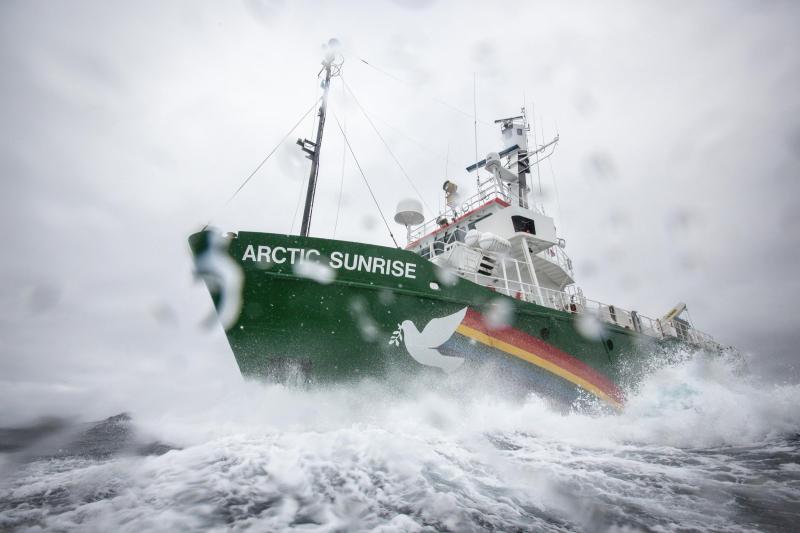
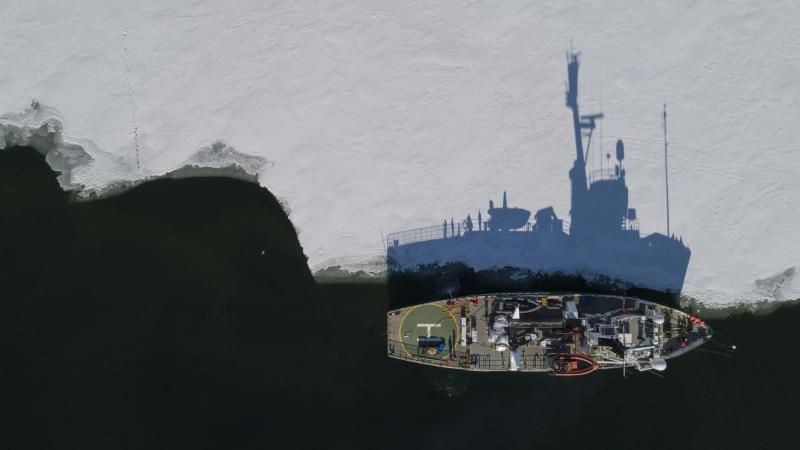
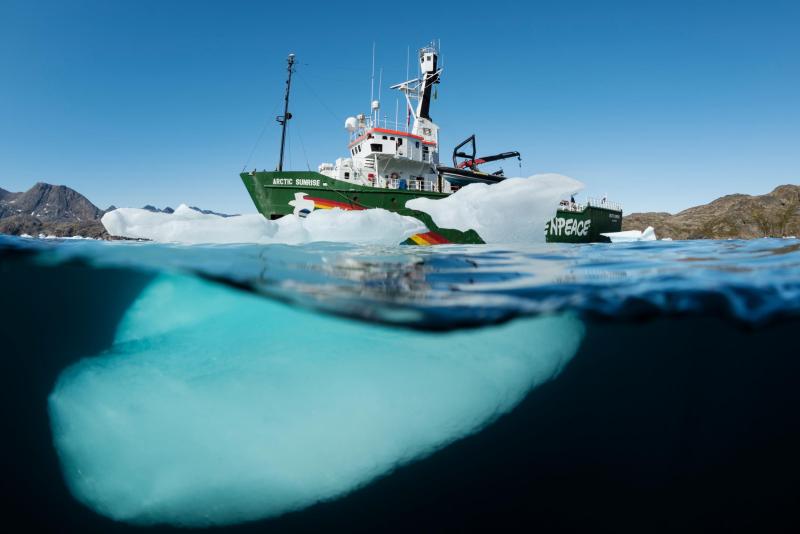
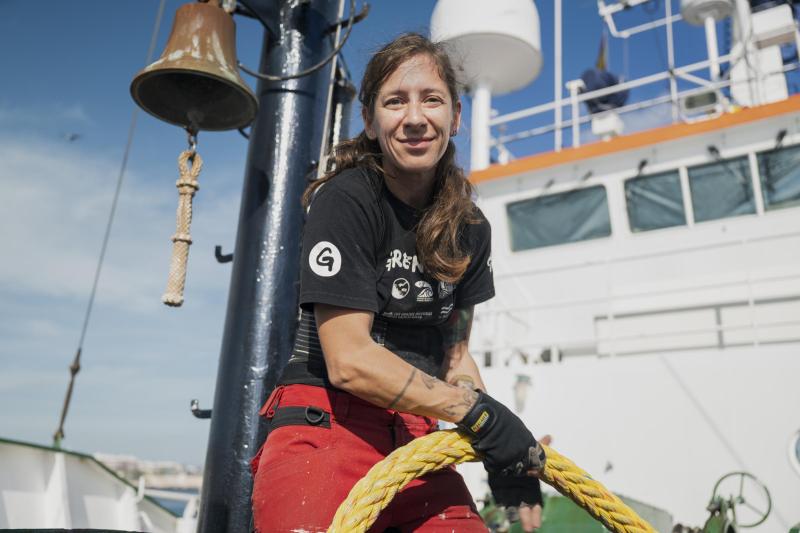
You can find this ship during Ostend at Anchor at the Hendrik Baelskaai (Oosteroever).
The Arctic Sunrise has been part of the international Greenpeace fleet since 1995. Its very first mission: documenting pollution from offshore oil platforms in the North Sea. Since then, the ship has sailed around the world and has become a floating laboratory, a platform for action, and a symbol of the refusal to remain silent.
From the icy seas of the Arctic to the coral reefs of the Galápagos. Past the manatees of Congo and the shark routes of the Pacific Ocean. All the way to Antarctica, where scientists spent three months studying the biodiversity of one of the most pristine ecosystems on Earth using underwater cameras and DNA analysis. Closer to home, the ship also toured through Europe to expose the dirty truth about fossil gas and to mobilise a broad European public for a fossil‑free future.
Such expeditions, however, often face strong resistance. The Arctic Sunrise made global headlines in 2013, when the entire crew — the “Arctic 30” — was wrongfully arrested by Russia during a peaceful protest against Arctic oil drilling. In 2024, a deep‑sea mining company attempted to obtain a court‑ordered ban on protests against the Arctic Sunrise on the high seas — and lost. In 2025, French authorities blocked the ship from entering the port of Nice, just before the UN Ocean Conference, after Greenpeace exposed the inadequate protection of French marine reserves.
In April of this year, the Arctic Sunrise joined the Global Sumud Flotilla, heading for Gaza to challenge the unlawful blockade of humanitarian aid. Afterwards, the ship will set course for Ostend, where you will have the unique opportunity to experience its story, its strength, and its call for change up close.